What the doorman was doing
Automate a job by its most visible task and you lose everything else it did. The savings show up in the next quarter’s numbers. The loss shows up later, somewhere else.
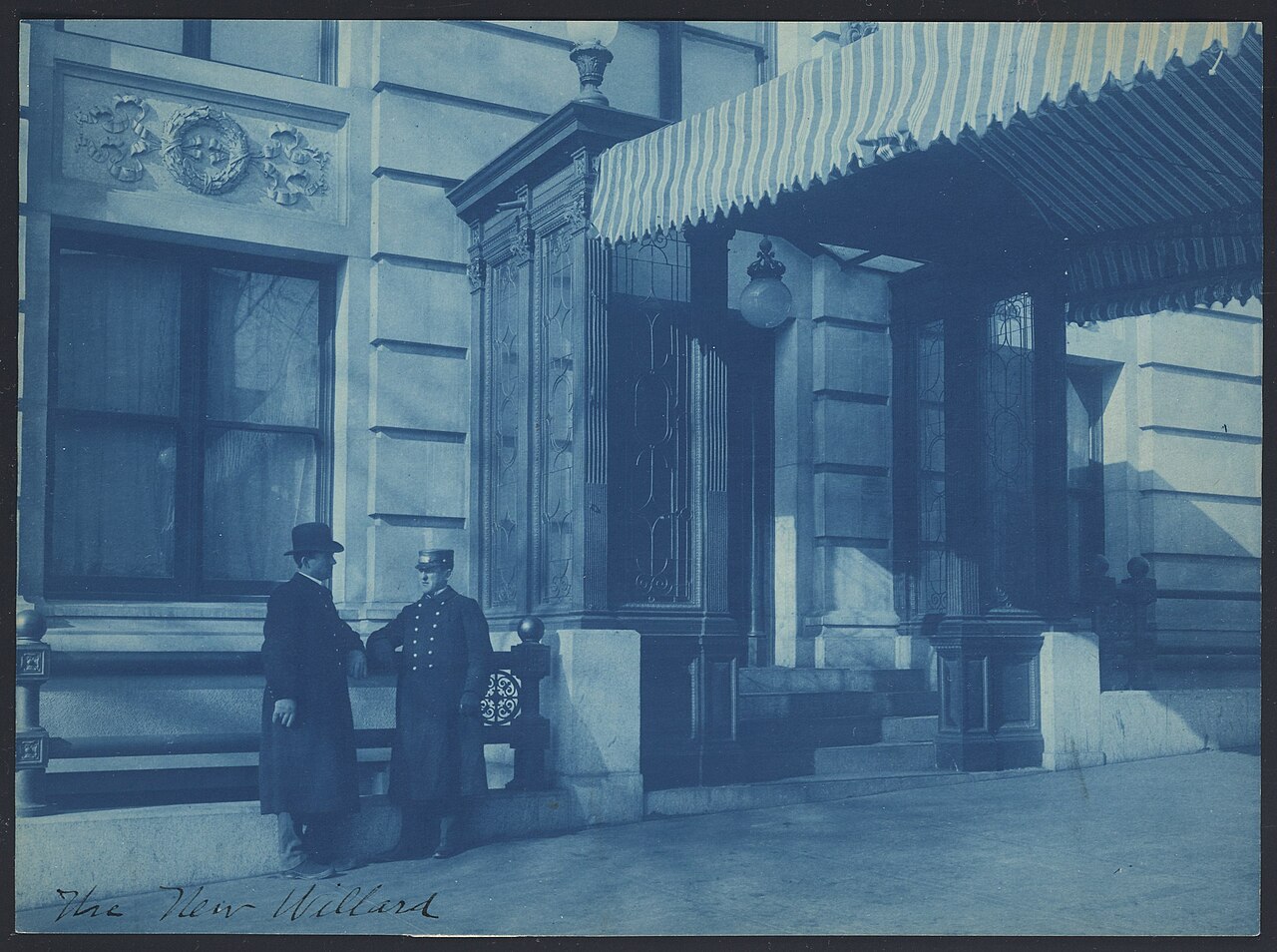
Rory Sutherland made the point in 2018: “An automatic door is no substitute for a hotel doorman because the role of a doorman encompasses functions beyond opening the door, such as recognition, security and signalling the status of the hotel.” He later named it the doorman fallacy.
In February 2024, Klarna announced that its AI assistant was doing “the equivalent work of 700 full-time agents,” that customers resolved their errands in under 2 minutes instead of 11, and that it expected $40 million in profit improvement that year.
Fourteen months later, its CEO, Sebastian Siemiatkowski, told Bloomberg: “As cost unfortunately seems to have been a too predominant evaluation factor when organising this, what you end up having is lower quality.” Klarna began piloting a new pool of human agents, and Siemiatkowski said customers should know “there will be always a human if you want.”
In July 2025, the Commonwealth Bank of Australia declared 45 customer service roles redundant after introducing a voice bot. The Finance Sector Union said call volumes went up instead, and that managers were offering overtime and pulling team leaders onto the phones. Within a month the bank reversed itself, said its assessment “did not adequately consider all relevant business considerations,” and apologized to the employees.
None of this is new with AI. Self-checkout automated the cashier’s most visible task, scanning. In June 2026, a study of 39 retailers by ECR Retail Loss found losses were 33% higher in stores with self-checkout than in stores without, and that mis-scanning was the most common source. ECR’s Colin Peacock said, “Most self-checkout loss is generated by ordinary people making everyday mistakes.”
Catching honest mistakes was part of the cashier’s job. Only the scanning got automated.
Language models make the fallacy easy, because a model can do the visible part of almost any job: answer the ticket, fill in the form, read the script. A phone call that collects a questionnaire is a good example. The visible task is asking the questions and recording the answers. A person making that call also puts the patient at ease, says how long it’ll take, notices confusion, and explains a question in other words. That work is a big part of why people stay on the line and answer honestly.
So before automating a role, list everything the person in it does besides the obvious task. Then decide, item by item, what the automation keeps, what it drops on purpose, and what goes back to a person. Carry a behavior over only where it can’t mislead anyone, and where the system can hold it in place.
A doorman opens the door, recognizes regulars, hails taxis, keeps trouble out of the lobby, and tells everyone arriving that this is the kind of hotel that has a doorman. An automatic door does the first one.