When hurting the user hurts the business
Good intentions lose to incentives, and they lose quietly. Nobody decides to hurt the people using a product. A team picks the number that pays, watches it every day, and the product drifts toward whatever moves it.
Facebook is the clearest case, because its intentions were good. In January 2018 it changed its feed to favor “meaningful social interactions,” and Mark Zuckerberg said the aim was to strengthen bonds between users and improve their well-being. Under the internal point system that measured it, a like was worth one point, a reaction five, and a significant comment 30. The Wall Street Journal later reported that the company’s own researchers found publishers and political parties reorienting their posts toward outrage, because outrage drew comments. A team of data scientists wrote, “Our approach has had unhealthy side effects on important slices of public content, such as politics and news.” Zuckerberg resisted some of the proposed fixes, the documents show, out of concern that they would hurt engagement.
The intention was well-being. The number was comments. An argument in the comments was worth thirty likes, and the number won.
Even the fixes get measured by what pays. Faulty redactions in Kentucky’s lawsuit against TikTok exposed internal documents, NPR reported in 2024. According to them, TikTok measured its teen screen-time limit by how it was “improving public trust in the TikTok platform via media coverage.” In tests, the limit cut teen usage from about 108.5 minutes a day to about 107. A project manager wrote, “Our goal is not to reduce the time spent.” TikTok says the complaint “cherry-picks misleading quotes.” A fix measured by its press coverage is a press release.
So the fix has to be in what pays. Costco earned $5.3 billion in membership fees in fiscal 2025, about two-thirds of its $8.1 billion in net income, and 92.3% of its members in the US and Canada renewed. That money arrives only when members decide the year was worth it. Craig Jelinek, then its CEO, said in 2016, “the more membership fees we generate, the more that we turn around and try to lower our prices.” Low prices aren’t a cost of that business. They’re what the members pay for.
A membership fee doesn’t settle it by itself. In a study of three US health clubs, members who chose a flat monthly fee of over $70 went 4.3 times a month on average, paying more than $17 a visit when a 10-visit pass would have cost $10 a visit. Eighty percent of them would have been better off paying per visit. The gym gets paid whether or not anyone gets fit. So the real test is narrower: does the money stop when the customer stops doing well? At Costco it stops at renewal. At a gym nobody visits, it keeps coming.
Then measure the user’s outcome as often, and as visibly, as revenue. For a product meant to make people’s lives better, that means a validated instrument, like the WHO-5 well-being index, five statements about the past two weeks, tracked over time. When it and the business metrics diverge, the business metrics are lying to you. And it means a red line: if the people using the product are getting worse, the product is failing, whatever retention says. The red line has a price. Sometimes it will tell you to ship the change that lowers retention.
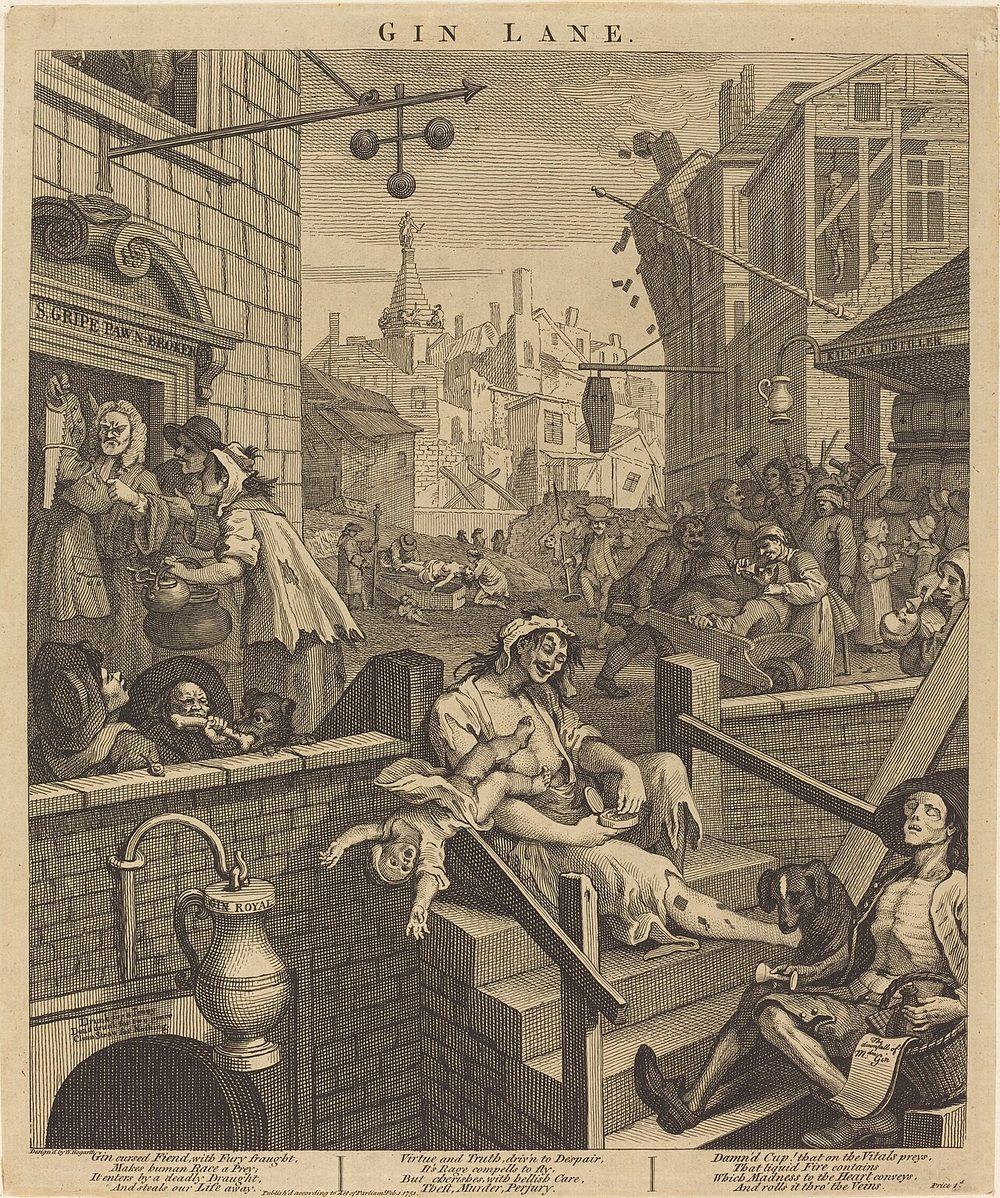
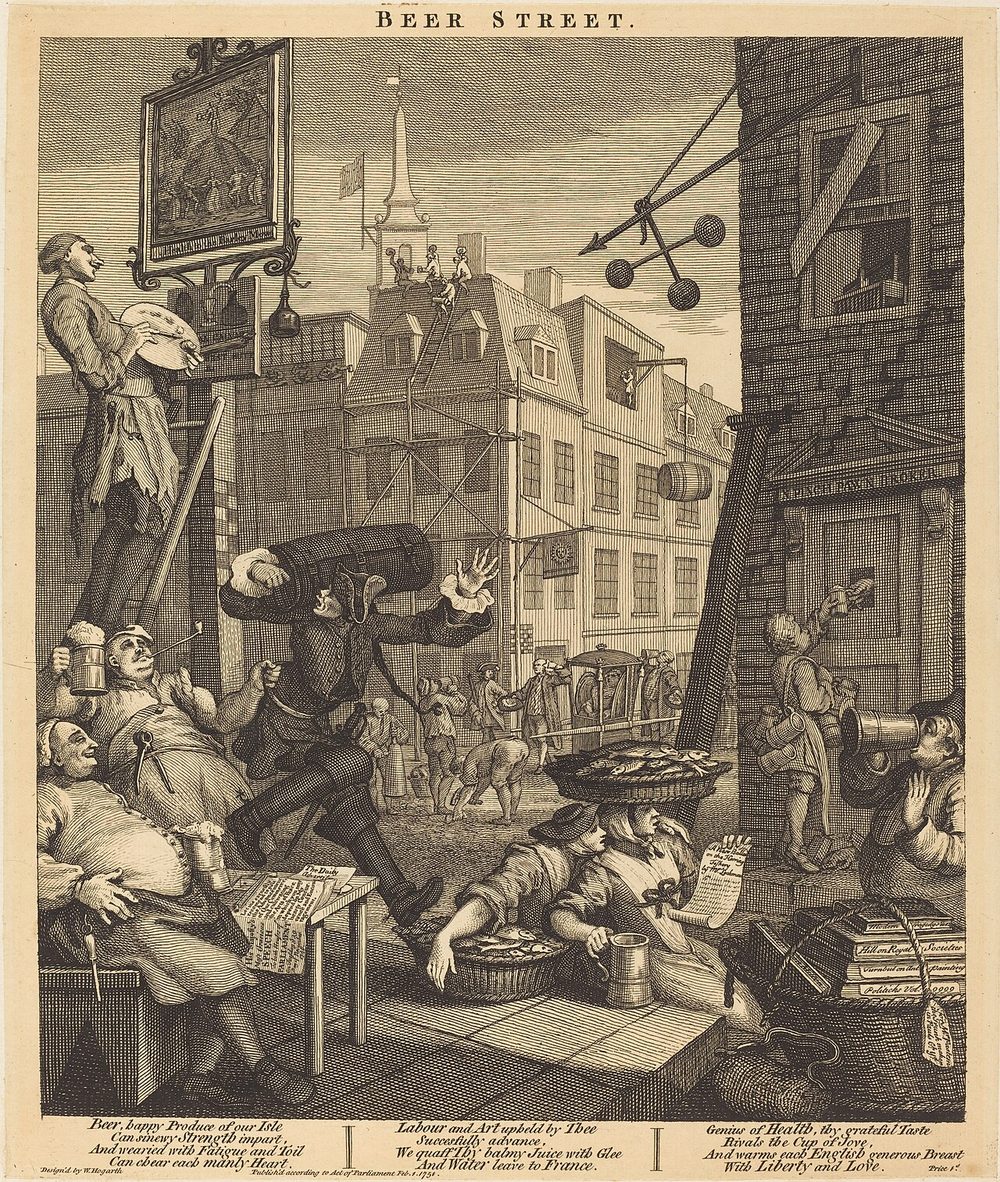
Hogarth published Gin Lane and Beer Street as a pair in 1751. On Gin Lane the street is collapsing, and the pawnbroker is thriving. On Beer Street the street is prospering, and the pawnbroker’s house is the one falling down. The pawnbroker isn’t a worse person on one street than on the other. The business does well when its customers do badly.